Canterbury
Canterbury Cathedral has stood at the centre of English Christianity since St Augustine founded the first church here in 597 AD, and the city that grew up around it has been drawing visitors — pilgrims, then tourists — for well over a thousand years.
The murder of Archbishop Thomas Becket in the cathedral in 1170 turned Canterbury into one of medieval Europe's great pilgrimage destinations, the journey later immortalised in Geoffrey Chaucer's The Canterbury Tales. The cathedral, together with the ruins of St Augustine's Abbey and the small Saxon church of St Martin's, was recognised as a UNESCO World Heritage Site in 1988 in acknowledgement of that combined history.
Much of the compact city centre still sits inside the line of the old city walls, largely built on Roman foundations, and is entered through the Westgate Towers, the largest surviving city gate in England. The River Stour loops through the middle of town, and the Marlowe Theatre — named for Canterbury-born playwright Christopher Marlowe — anchors a lively arts and student scene alongside the University of Kent and Canterbury Christ Church University.
Where to Stay in Canterbury
- The Falstaff Hotel — a former medieval coaching inn just outside the Westgate Towers.
-
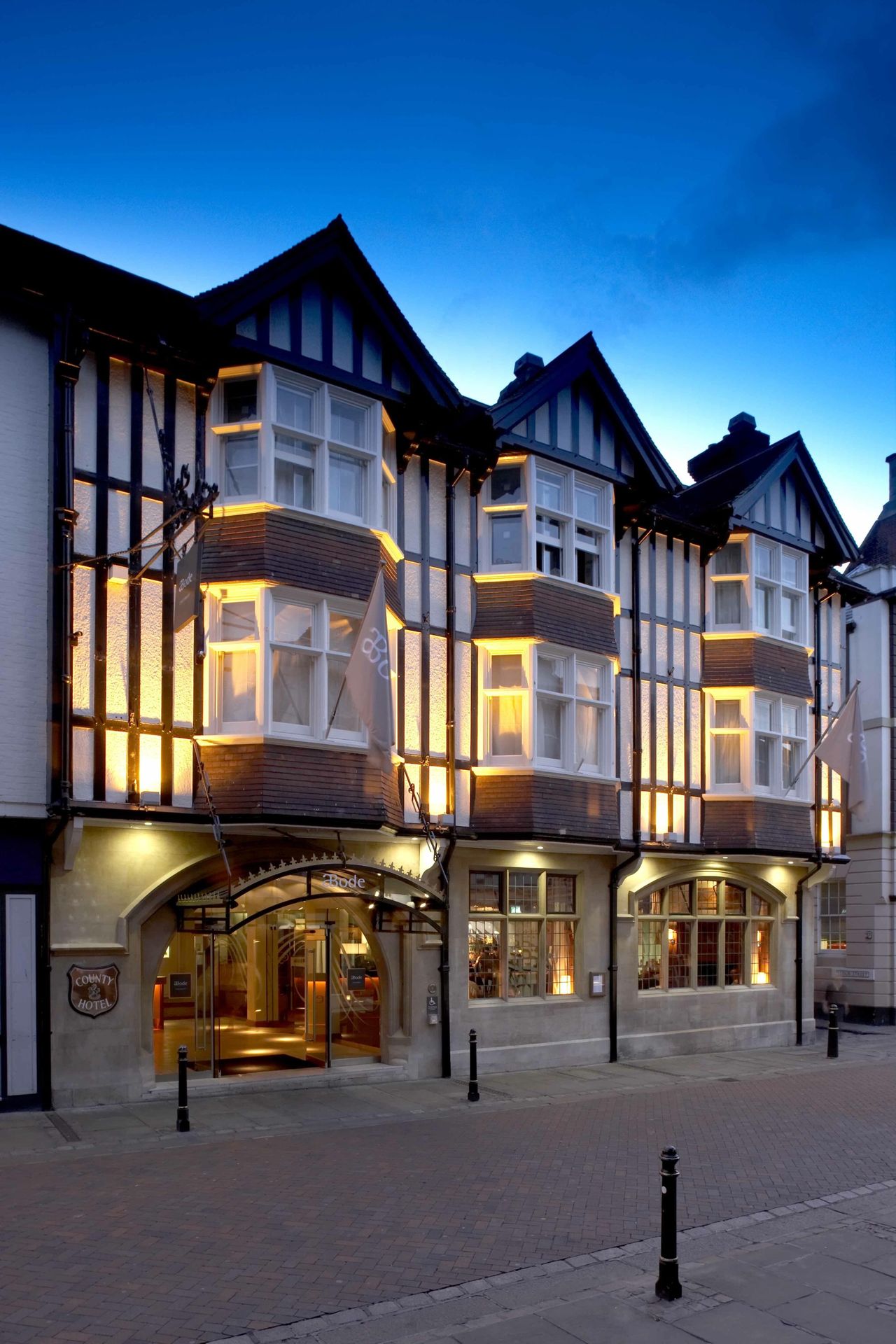 ABode Canterbury — a boutique hotel in a Georgian building on the High Street.
 -
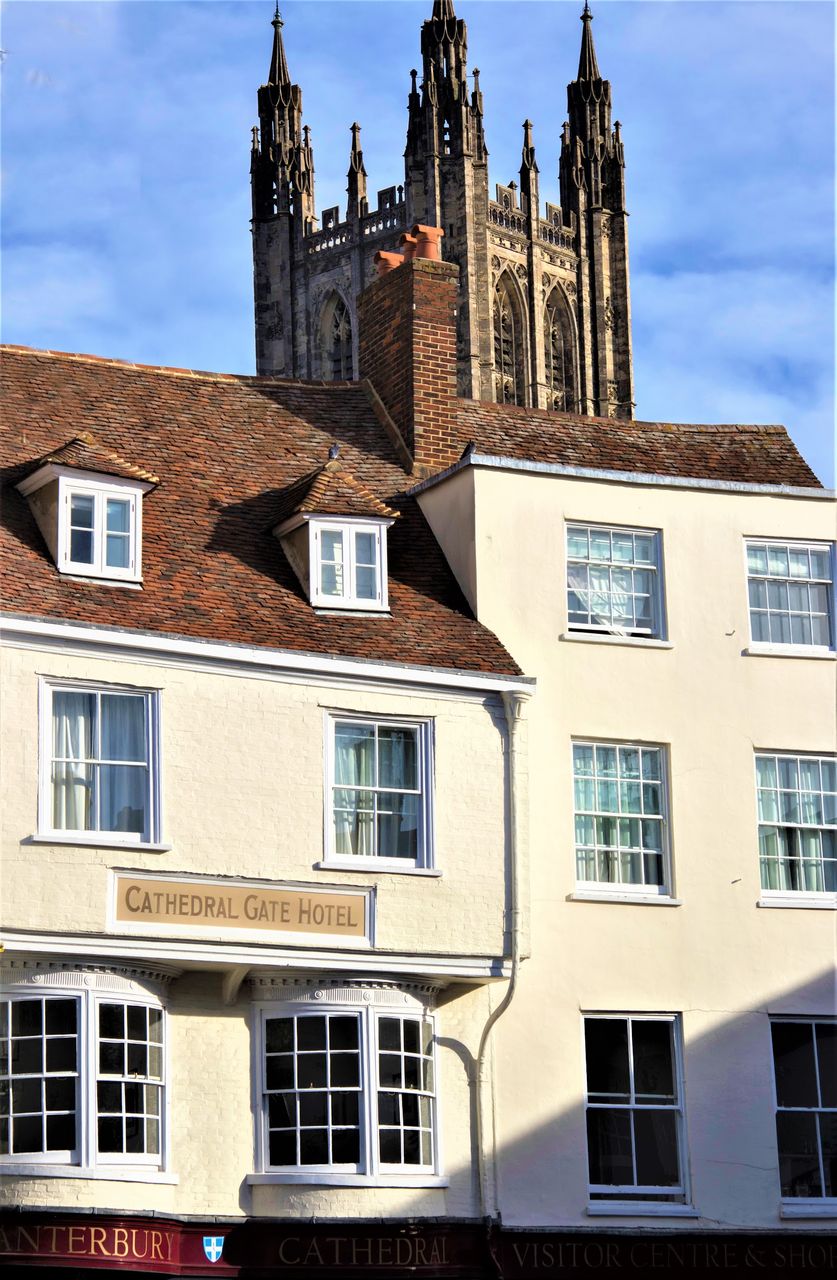 Cathedral Gate Hotel — an ancient timber-framed hotel built onto Christ Church Gate, the cathedral's main entrance.
 -
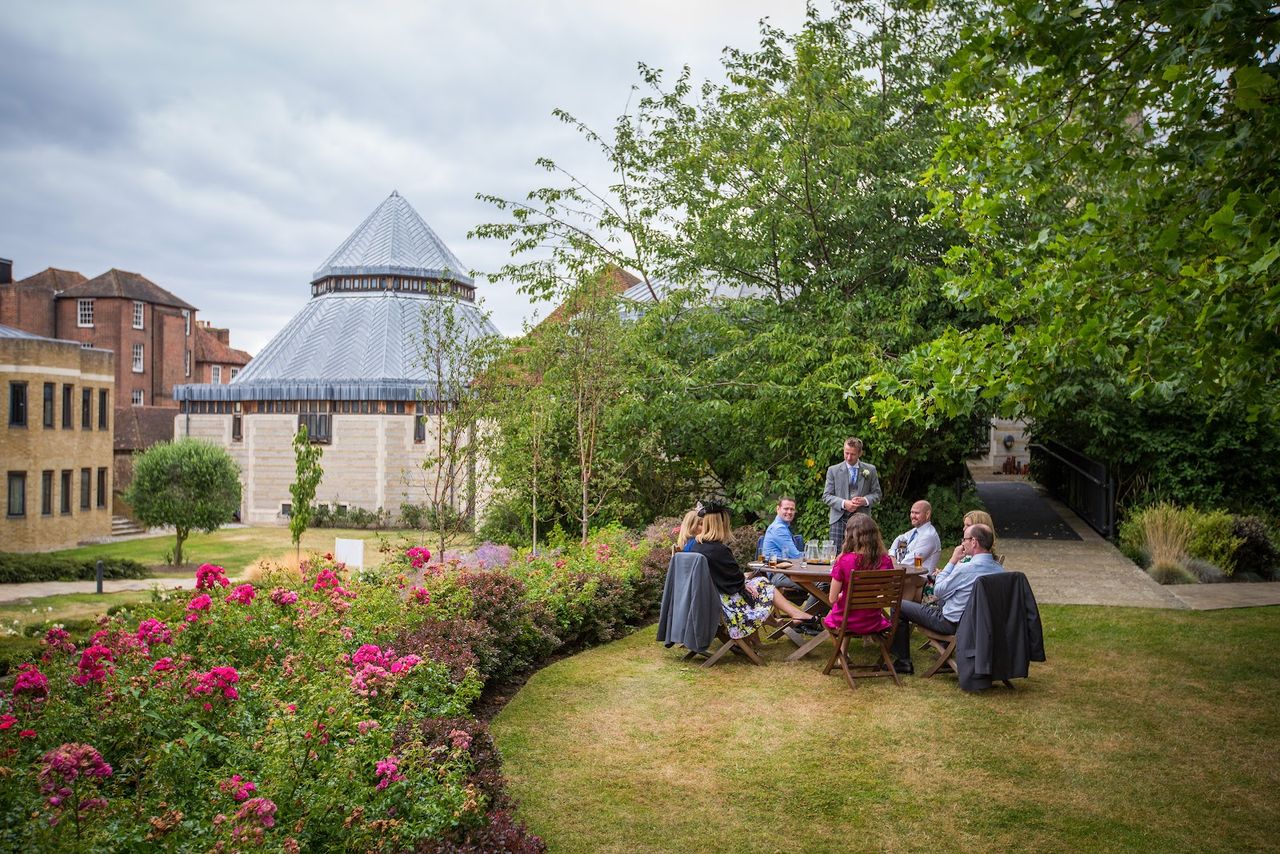 Canterbury Cathedral Lodge — a modern hotel within the cathedral precincts, run by the cathedral itself.
 -
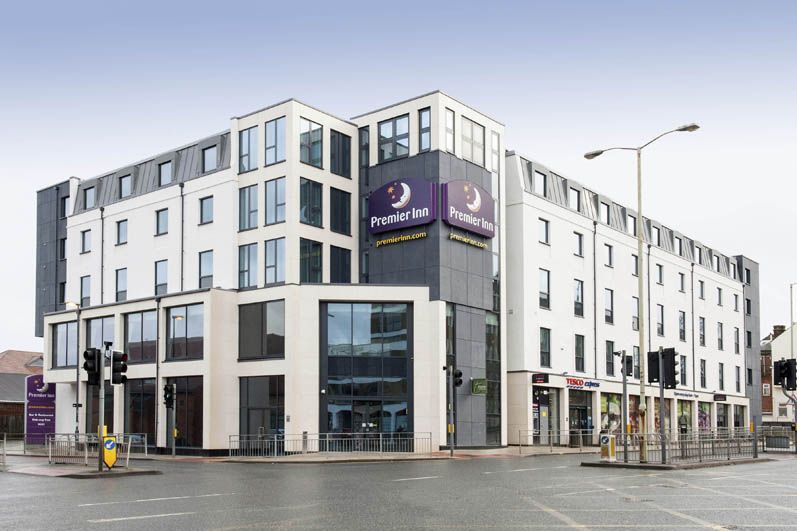 Premier Inn Canterbury City Centre — a short walk from the cathedral and the main shopping streets.
 -
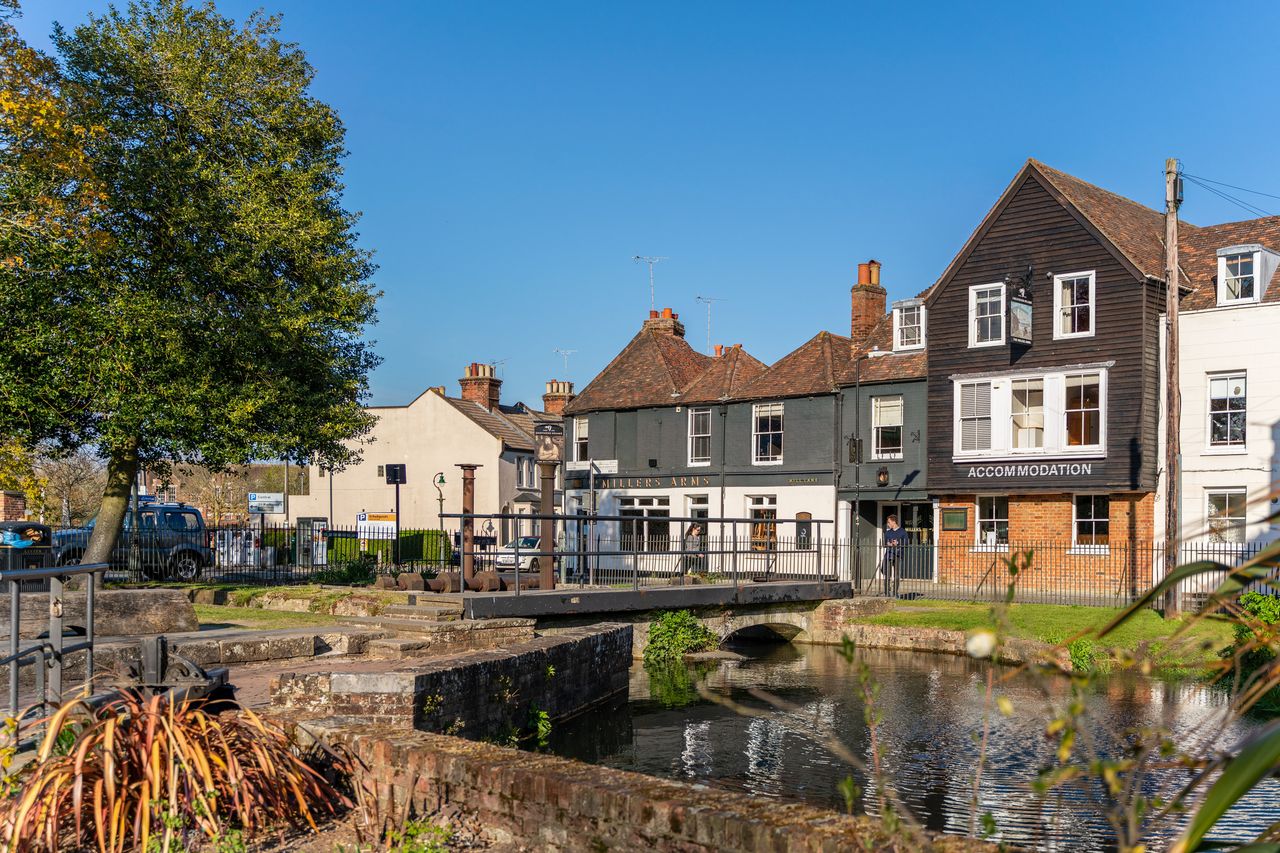 The Millers Arms — a well-reviewed pub-with-rooms inn in the city centre.
 -
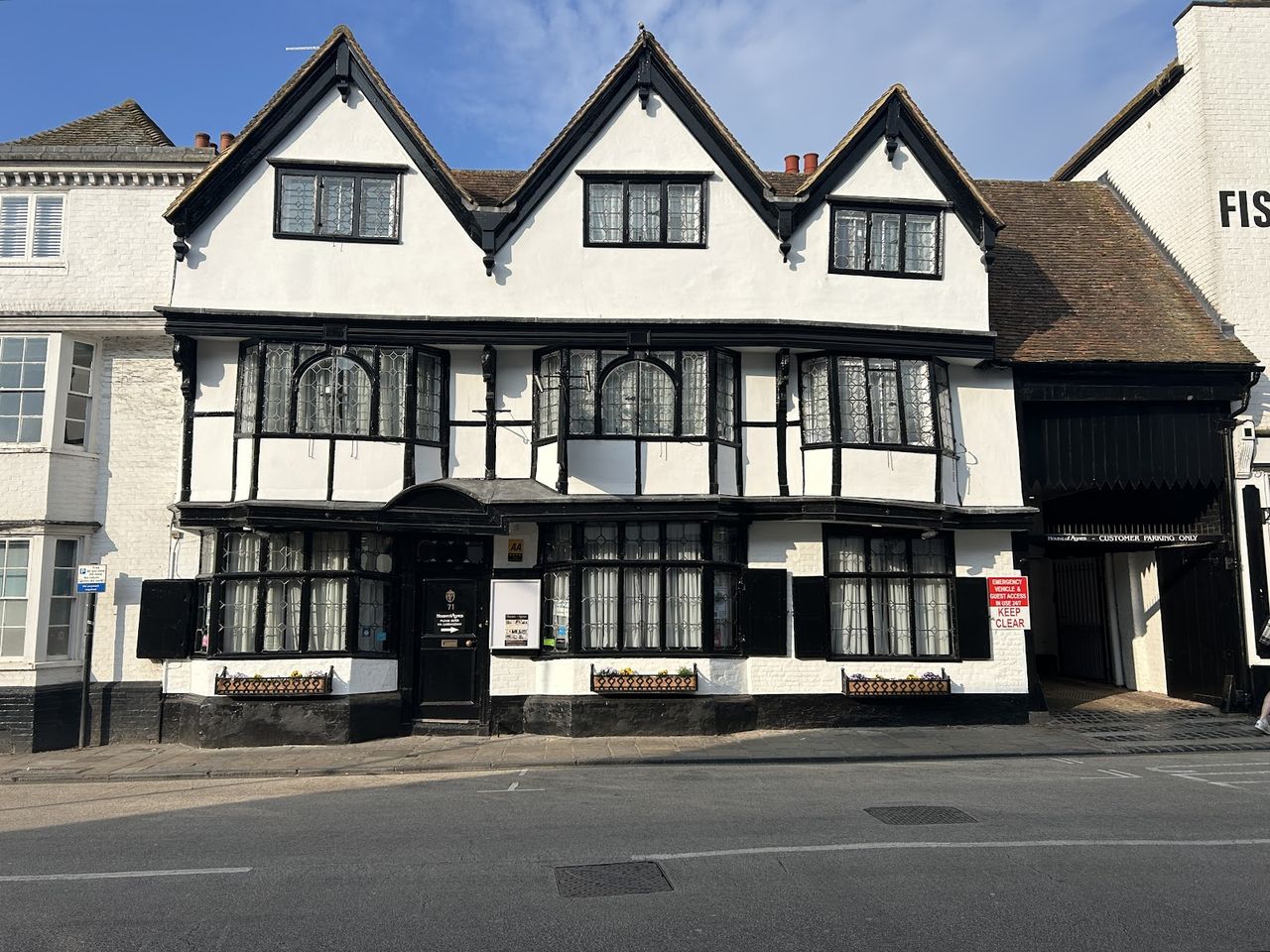 House of Agnes — a 4-star B&B on St Dunstan's Street with gardens down to the River Stour.
 -
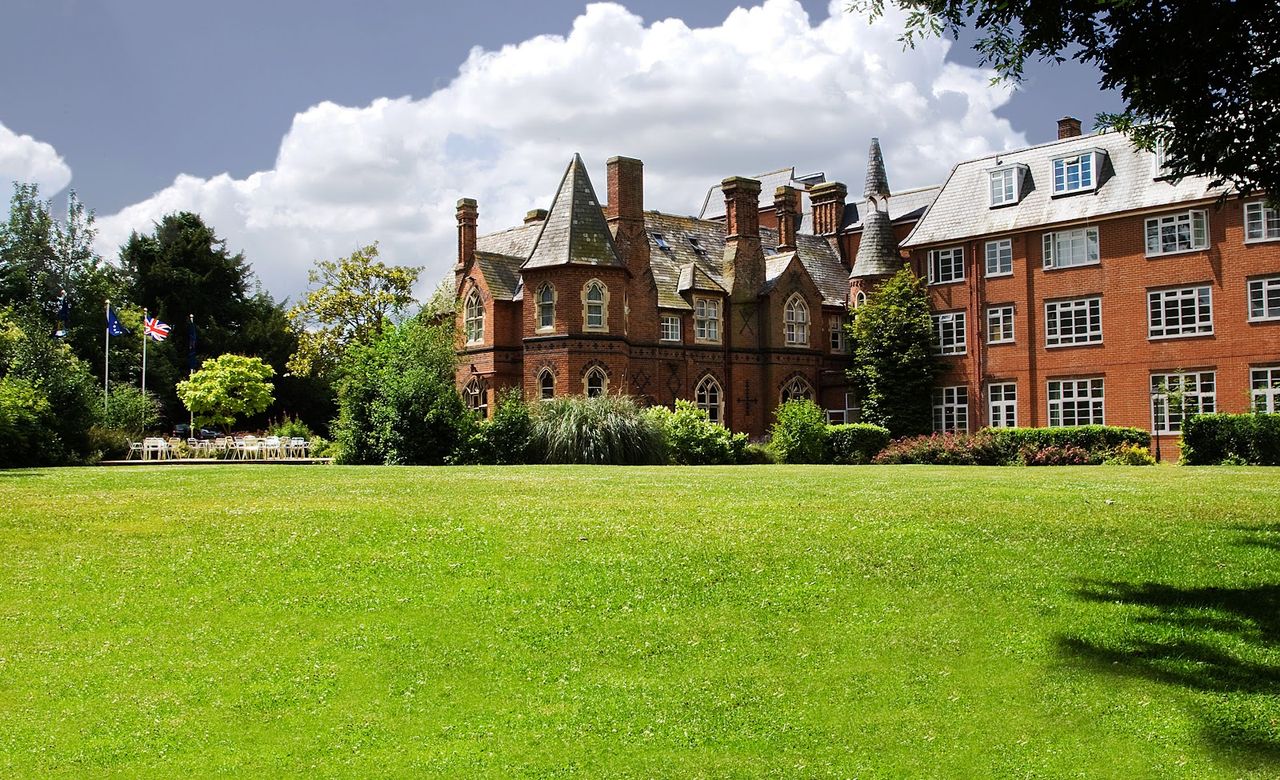 Best Western Abbots Barton Hotel — a Victorian hotel with gardens on New Dover Road.
 -
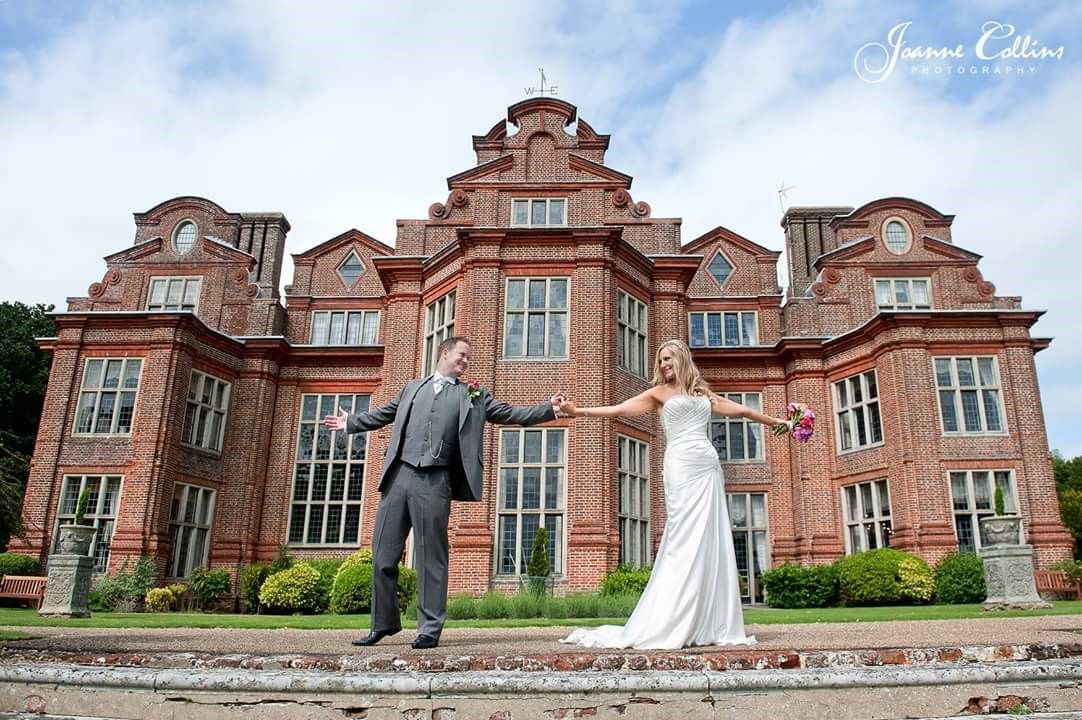 Broome Park Hotel — a country-house hotel and golf course a few miles from the city, once home to Lord Kitchener.
 -
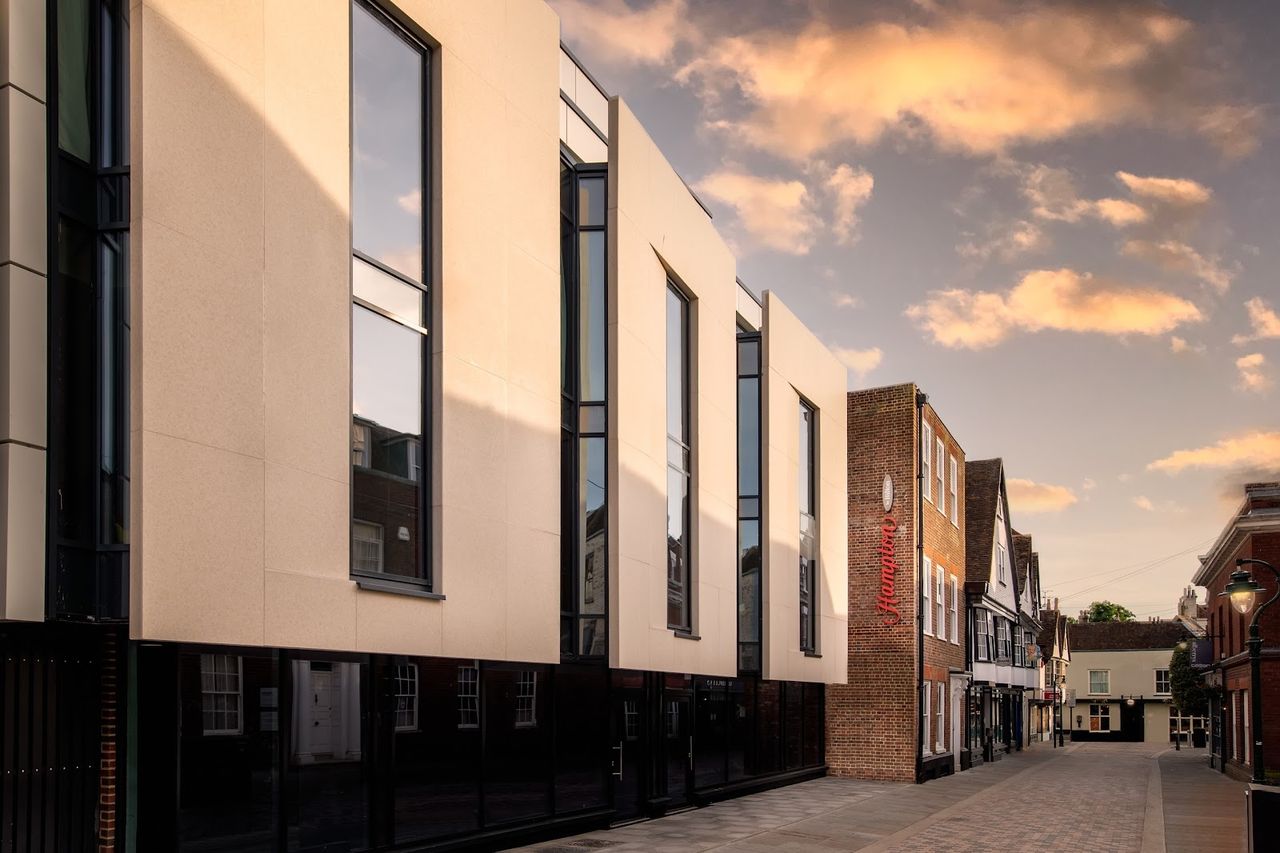 Hampton by Hilton Canterbury — a modern chain hotel built into the Whitefriars shopping centre.
 -
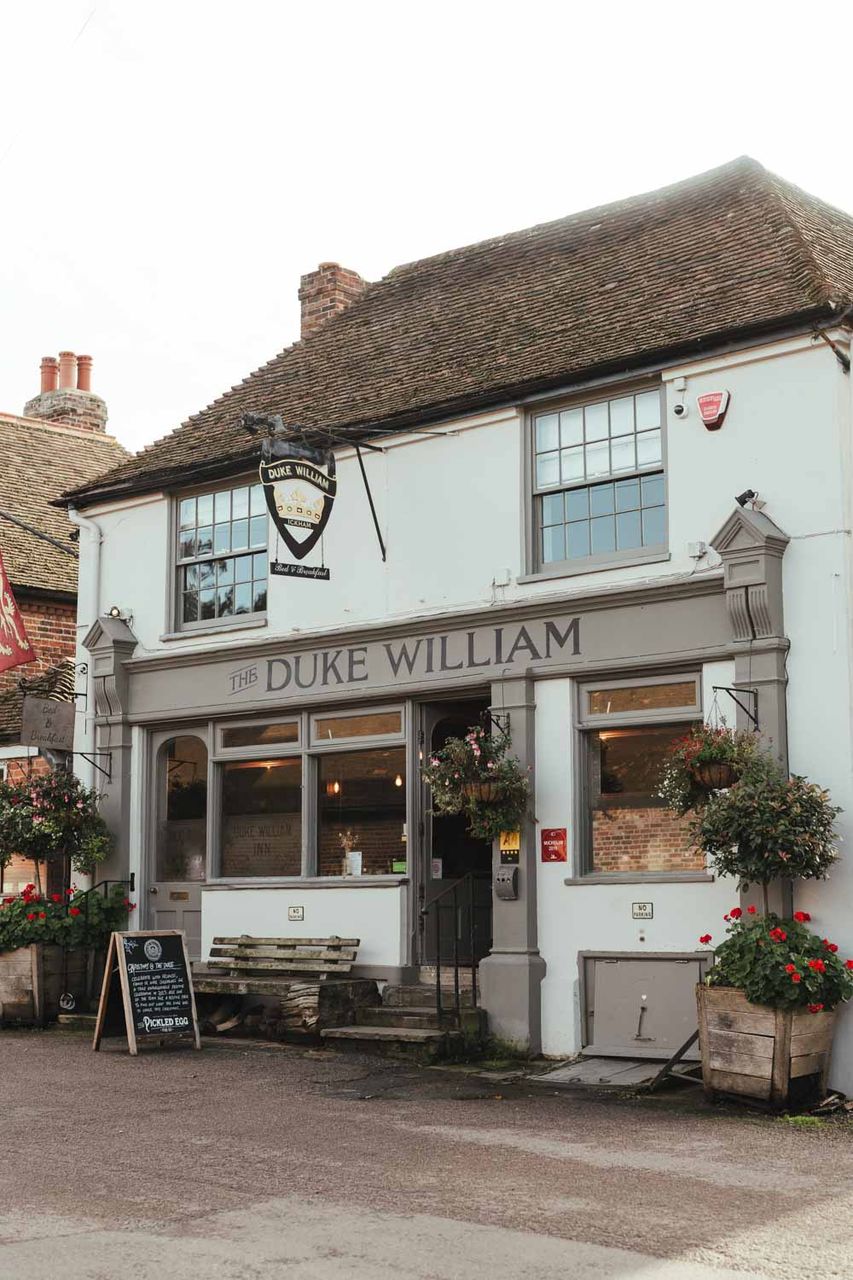 The Duke William — a pub-with-rooms B&B on the edge of the city.
 -
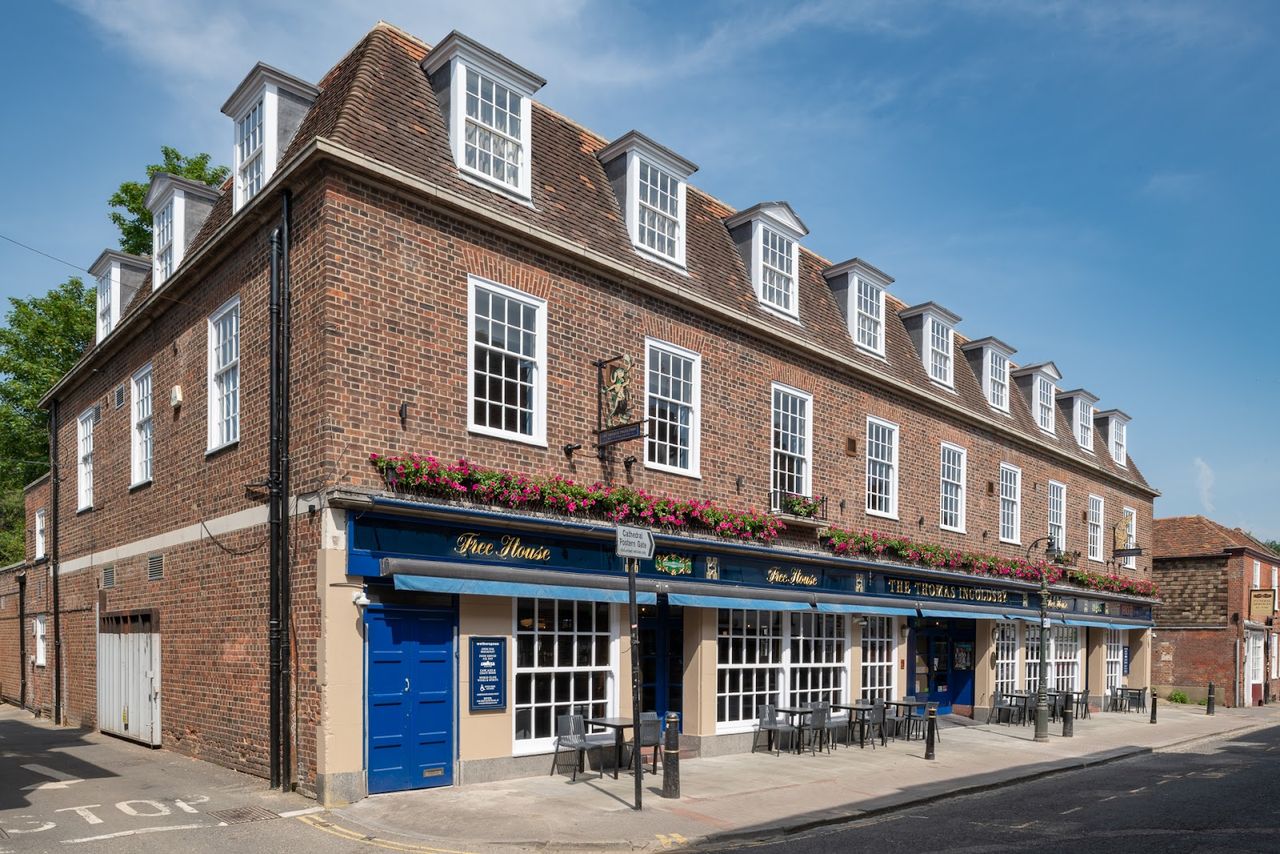 Thomas Ingoldsby — a Wetherspoon pub-hotel on Burgate, a few steps from Christ Church Gate.
Getting there
High-speed trains link Canterbury West to London St Pancras in around an hour, and Canterbury also sits close to the M2/A2, making it a reasonable base for the coast around Whitstable and Dover as well as the city itself.