Tunbridge Wells
Tunbridge Wells grew up around a chalybeate — iron-rich — spring discovered in 1606, and over the following two centuries turned into one of Georgian and Regency England's most fashionable spa resorts, a status recognised in 1909 when Edward VII granted the town its "Royal" prefix.
At the centre of it all is the Pantiles, a colonnaded parade of shops and cafes laid out around the original spring, its walkway traditionally paved in the small square tiles that gave the street its name. The spring itself is still there, and in summer a "dipper" in period costume continues the old tradition of serving the mineral water to visitors. Wealthy 18th- and 19th-century patrons left the town with a legacy of well-preserved Georgian and Regency streets that are largely still intact today.
Tunbridge Wells sits on the edge of the High Weald, an Area of Outstanding Natural Beauty of wooded hills, sandstone outcrops and small farms, making it a workable base for exploring the surrounding Kent and East Sussex countryside as well as the town itself.
Where to Stay in Tunbridge Wells
-
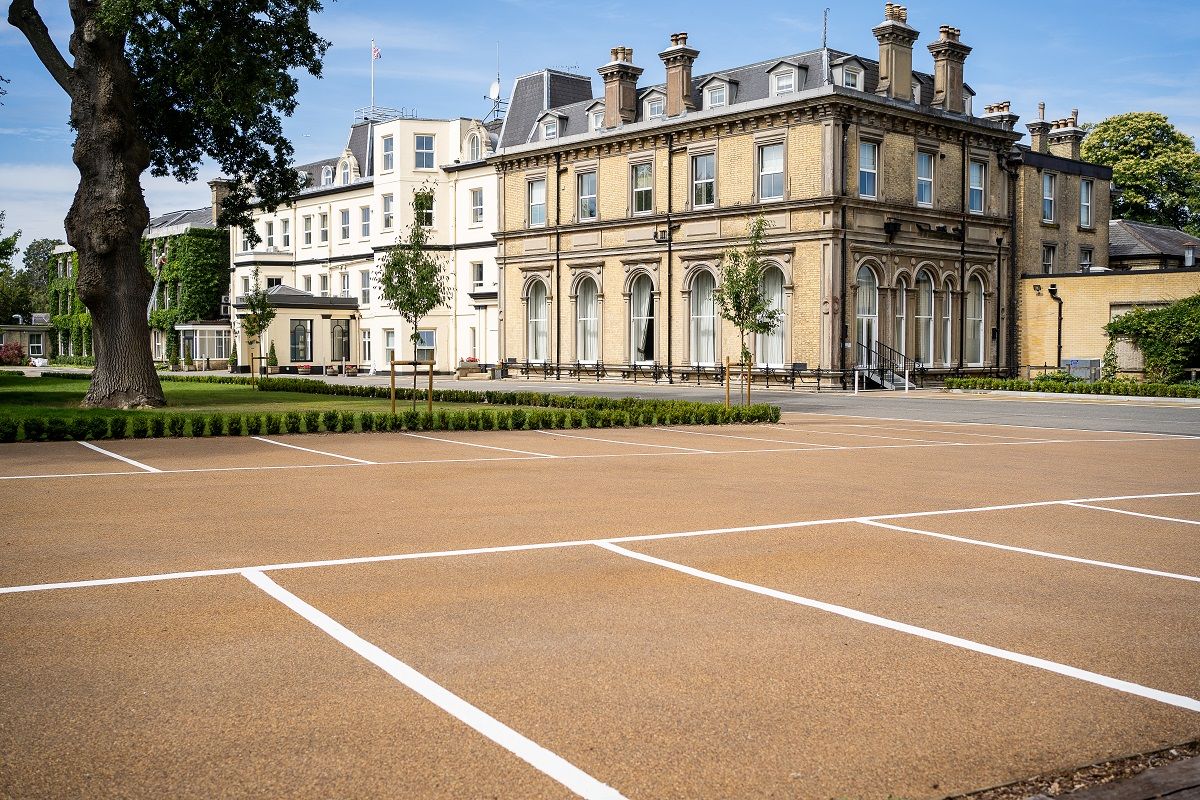 The Spa Hotel — a historic spa hotel set in its own parkland grounds on the edge of town.
 -
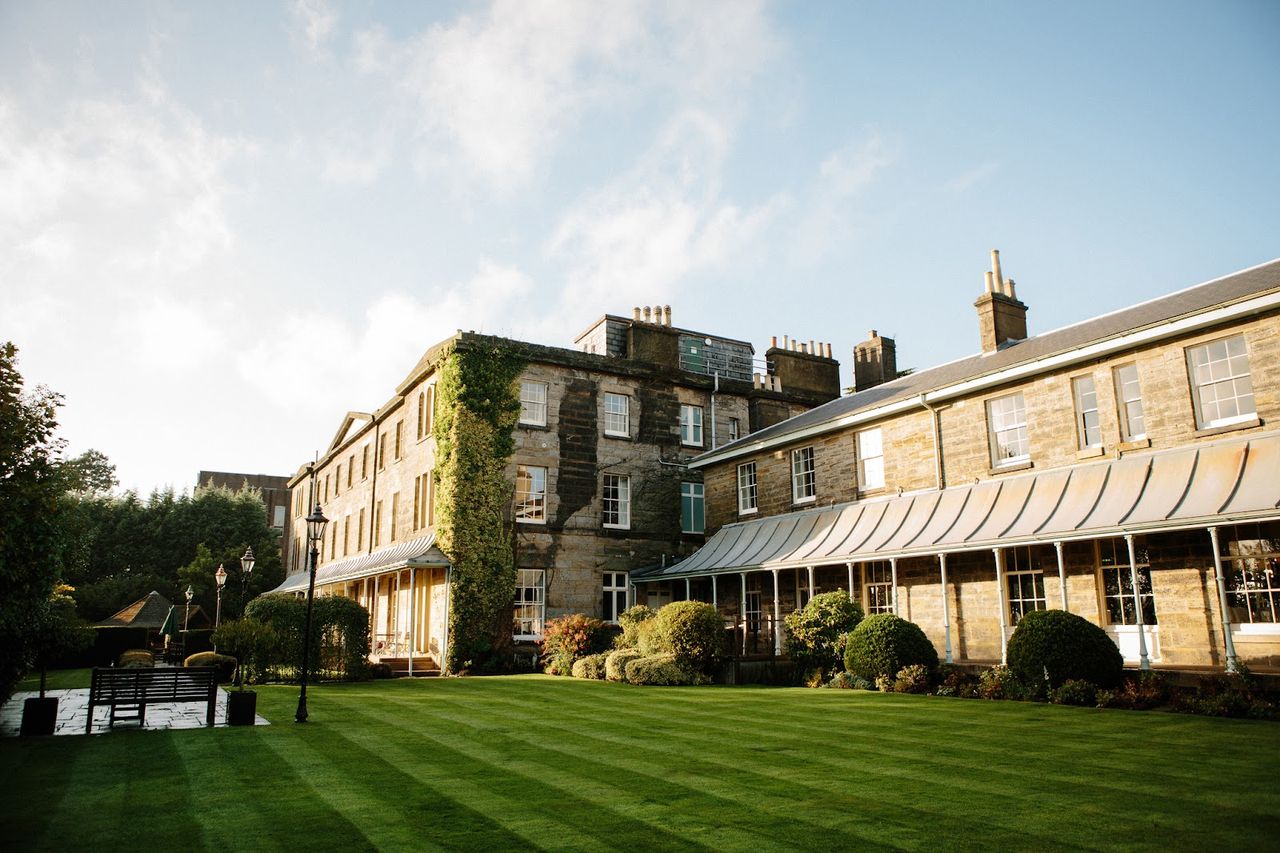 Hotel du Vin & Bistro Royal Tunbridge Wells — a boutique hotel in a Georgian building close to the town centre.
 -
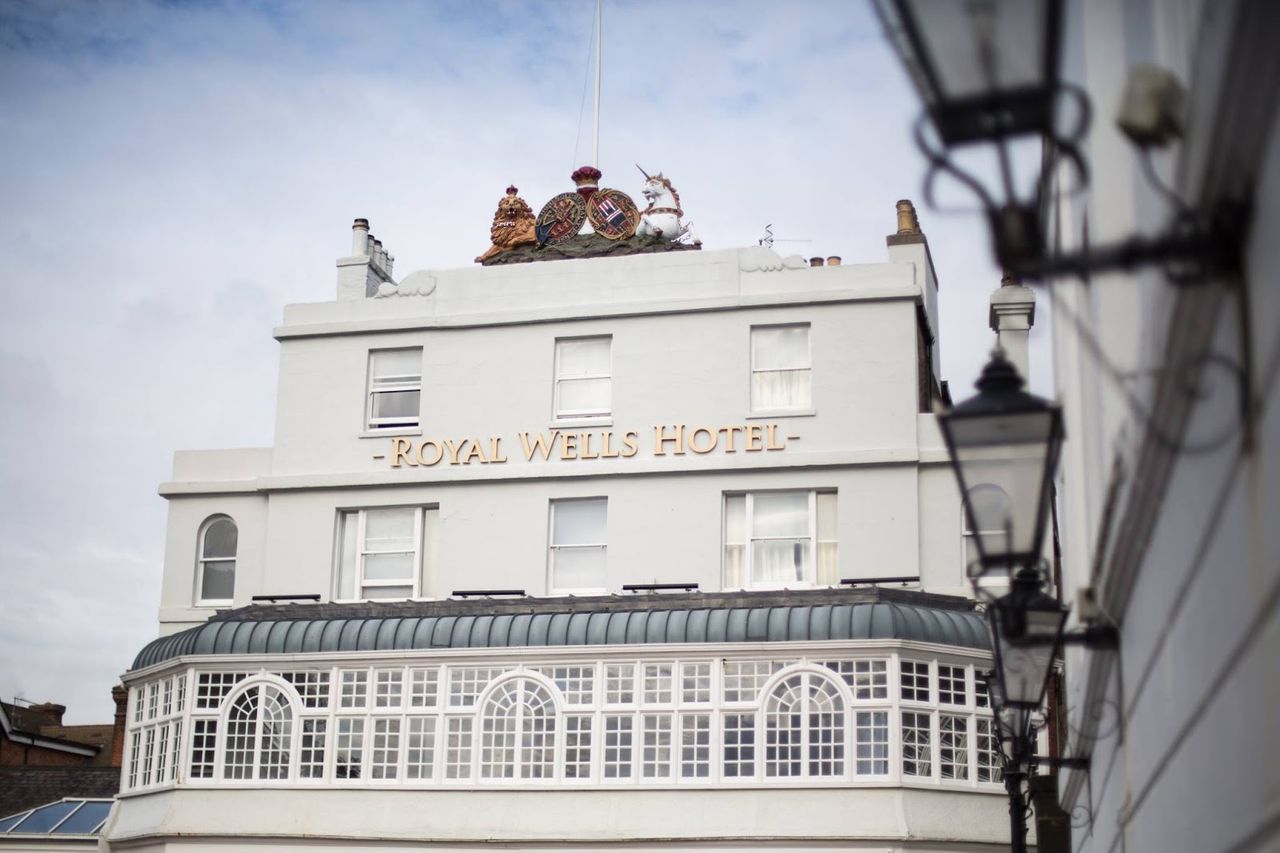 Mercure Royal Wells Hotel — a Victorian-era hotel on Mount Ephraim overlooking the common.
 -
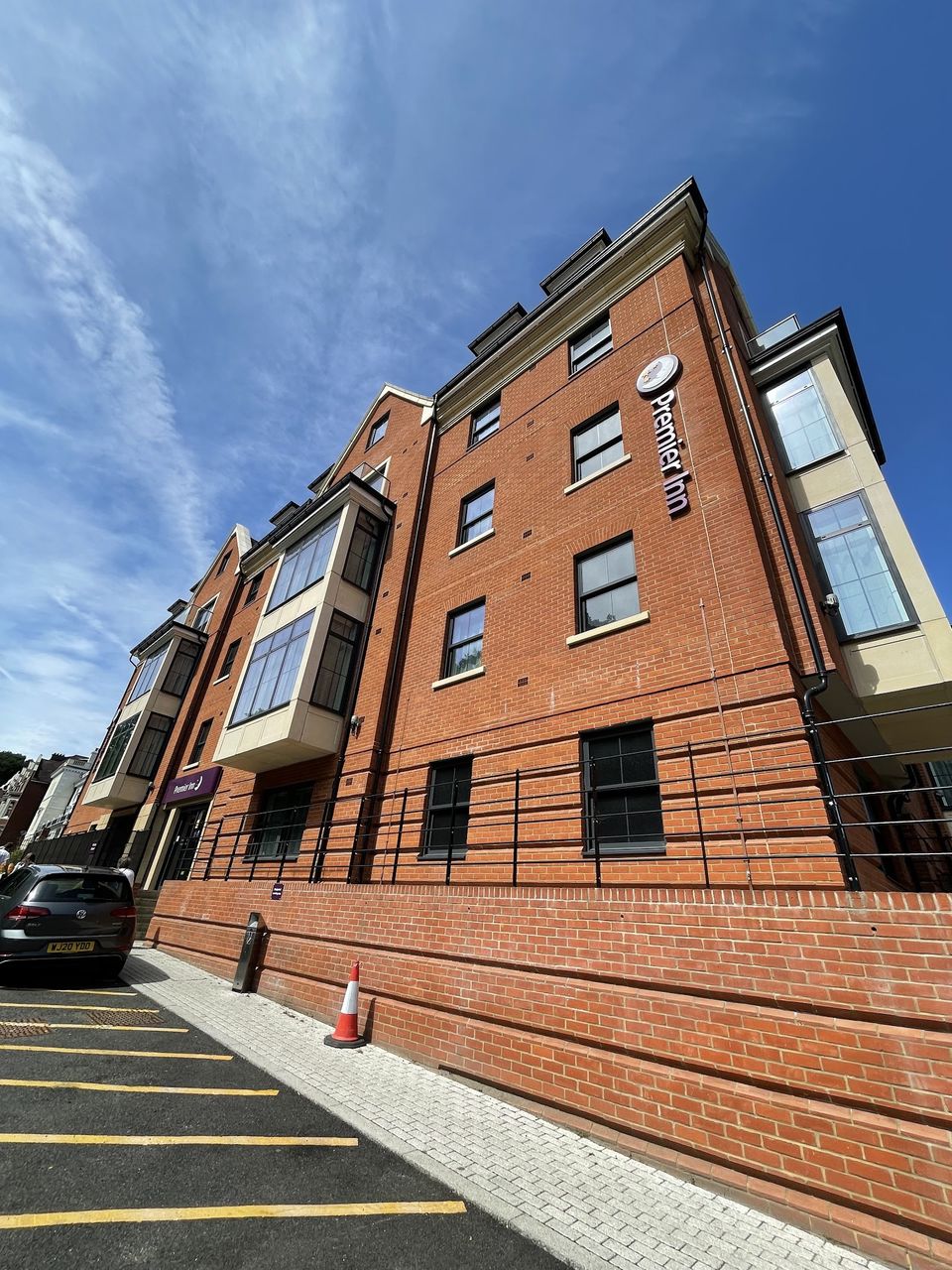 Premier Inn Royal Tunbridge Wells — a central, straightforward base within walking distance of the Pantiles.
 -
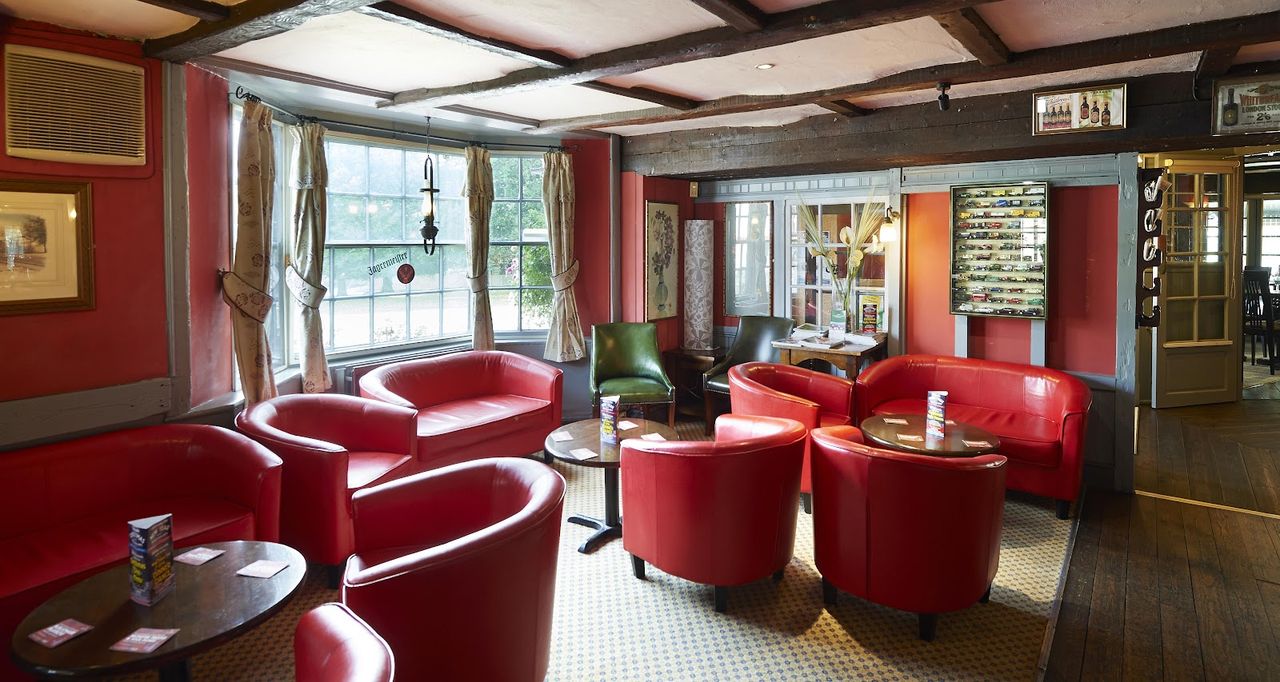 Camden Arms Hotel — a coaching-inn-turned-hotel in nearby Pembury.
 -
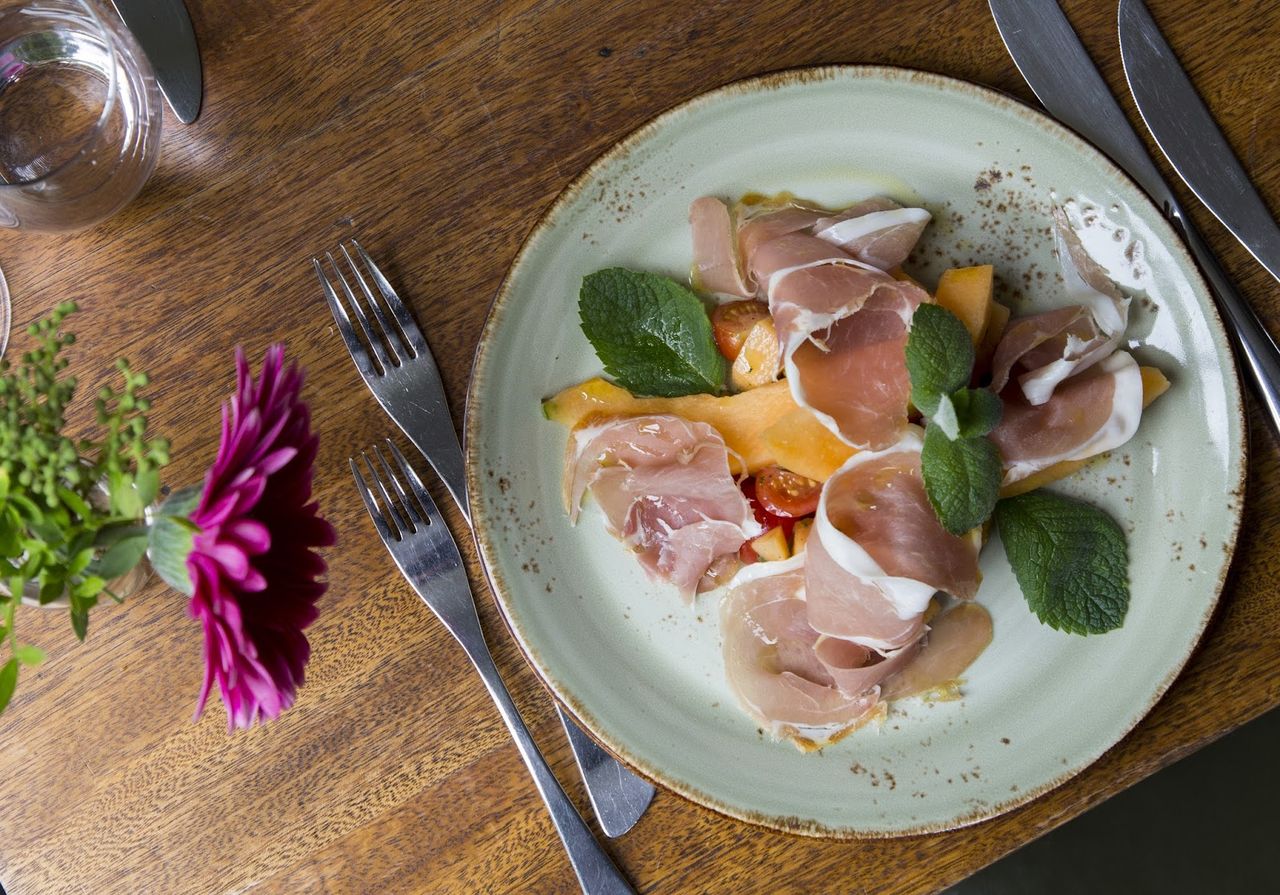 Mount Edgcumbe — a well-regarded pub-with-rooms B&B right on the common.
 -
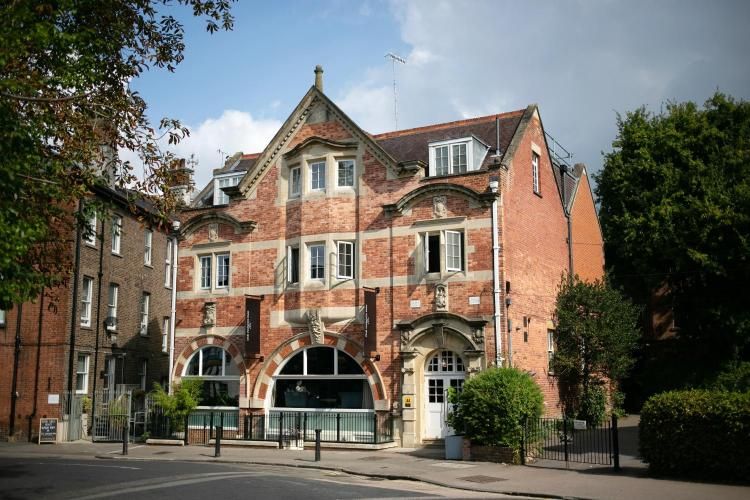 One Warwick Park Hotel — a contemporary hotel a short walk from the Pantiles.
Getting there
Tunbridge Wells has a direct rail line into London Charing Cross, with journey times of around an hour, and sits close to the A21, making it a workable base for the wider Weald and the border with East Sussex.